
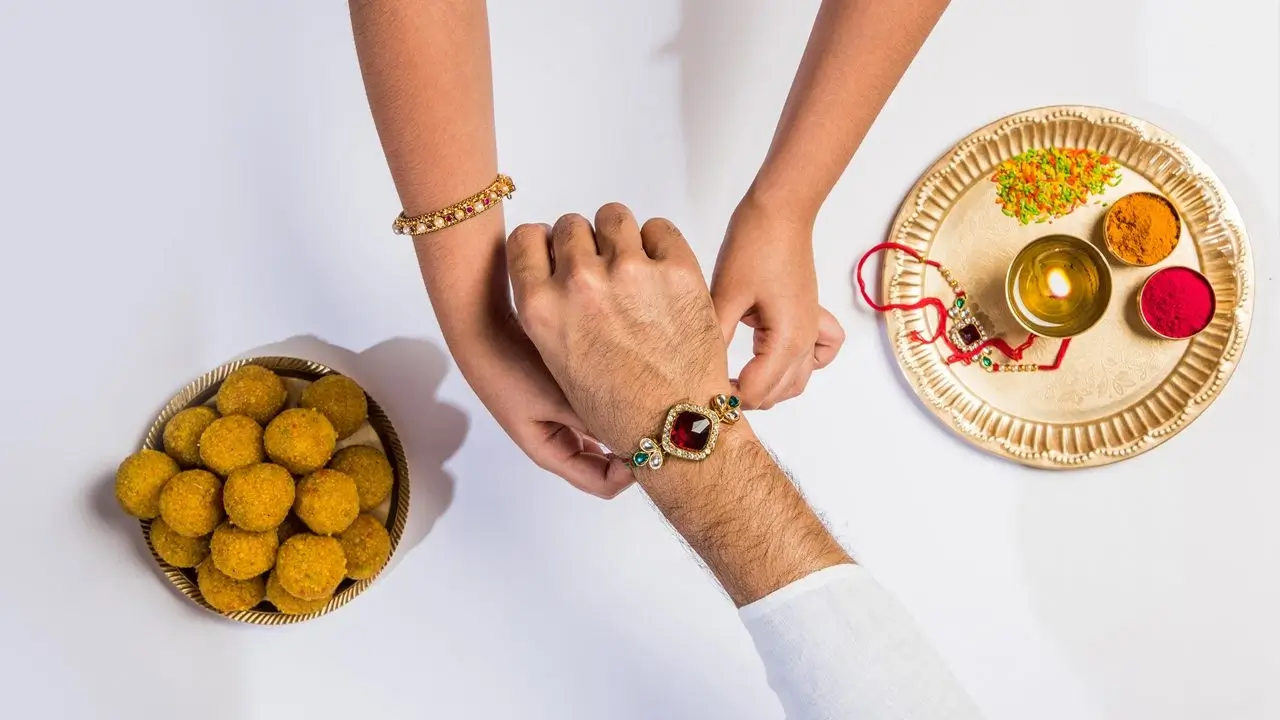
Raksha Bandhan, often called Rakhi, is one of the most cherished festivals in India, celebrating the bond of protection, love, and trust between siblings. But its essence goes far beyond tying a thread on the wrist—it carries a deep spiritual and cultural significance.
The Meaning of Raksha Bandhan
The Sanskrit words “Raksha” and “Bandhan” mean protection and bond. Traditionally, sisters tie a sacred thread (rakhi) on their brothers’ wrists, praying for their well-being. In return, brothers vow to protect their sisters throughout life.
But in a broader spiritual sense, Raksha Bandhan reminds us that:
-
Protection is not just physical—it is also emotional, moral, and spiritual.
-
Bonds are not limited to family—they can be between friends, mentors, and even with the Divine.
Spiritual Stories of Raksha Bandhan
-
Krishna & Draupadi: When Krishna injured his finger, Draupadi tore a piece of her saree to bandage it. Touched by her love, Krishna vowed to protect her forever.
-
Indra & Indrani: In ancient legends, Indrani tied a protective thread on Lord Indra’s wrist before battle, blessing him with victory.
These stories remind us that true protection comes from love, faith, and selflessness.
The Deeper Lesson
Raksha Bandhan teaches us:
-
To nurture relationships with trust and compassion.
-
To extend protection not only to loved ones but also to those in need.
-
That spiritual protection—prayers, blessings, and good deeds—can be the greatest shield in life.
Celebrating Raksha Bandhan Spiritually
-
Tie a rakhi to your sibling with a silent prayer for their happiness.
-
Light a diya and offer gratitude to the Divine Protector—be it Lord Krishna, Lord Shiva, or your chosen deity.
-
Use this day to heal old misunderstandings and strengthen bonds.
May this Raksha Bandhan bless every bond with love, trust, and divine protection. Connect for more!

Leave A Comment