
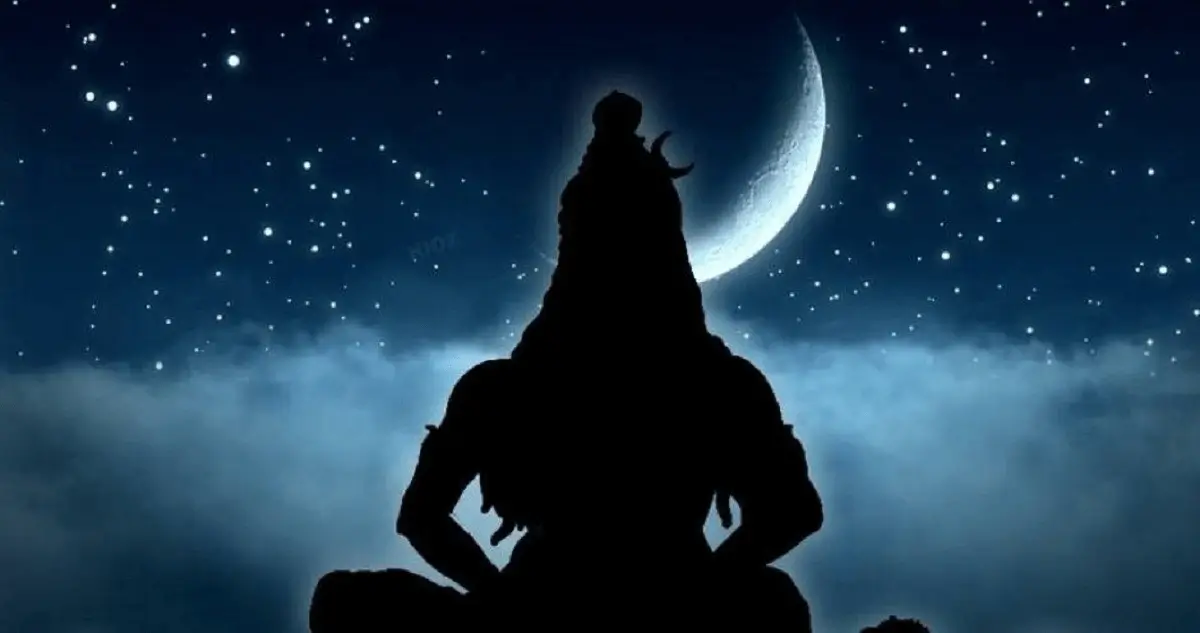
Among the many symbolic attributes of Lord Shiva, the crescent moon adorning his matted locks stands out as a powerful representation of time, control over nature, and the eternal rhythm of life. This celestial ornament not only enhances Shiva’s mystical form but also conveys profound spiritual and cosmic meanings that reflect the depth of Hindu philosophy.
Symbol of Time and the Lunar Cycle
The moon has always played a crucial role in Hindu cosmology, particularly in the calculation of time. The Hindu calendar is primarily lunar-based, with phases of the moon determining the months and auspicious days. The crescent moon on Lord Shiva’s head signifies his mastery over time. It reflects his transcendence beyond the confines of temporal existence. While the world changes with the waxing and waning of the moon, Shiva remains constant, eternal, and unchanging, a symbol of the timeless Supreme Consciousness.
Indicator of Soma and Immortality
In Vedic traditions, the moon is closely associated with Soma, a sacred elixir of immortality. It is said that the moon stores the divine nectar, and its phases represent its cyclic consumption and replenishment. By wearing the crescent moon, Shiva is seen as the preserver of Soma, the source of life and immortality. This association also highlights his role as the Lord of Healing, whose presence rejuvenates both body and soul.
Emblem of Coolness and Mind Control
The moon in Hindu thought is linked to the mind and known for its fickle and restless nature. The cool, calming crescent on Shiva’s fiery form symbolizes the balance between emotion and detachment. It is a metaphor for the yogic ideal, an absolute control over the mind and senses. Just as the moonlight soothes the night, Shiva’s spiritual presence calms the turbulence of the human mind, guiding seekers on the path to self-realization.
Representation of the Cycle of Creation
The crescent moon also stands for the cyclical nature of the universe creation, preservation, and destruction. As the waxing moon grows toward fullness and wanes back to darkness, it reflects the cosmic dance of time and existence, the Tandava, which Shiva performs. By holding the moon in his hair, Shiva reminds us of his integral role in the cosmic process and his power to both dissolve and regenerate life.
Mythological Reference
According to legend, during the Samudra Manthan (churning of the ocean), the moon emerged along with other divine treasures. The gods chose Lord Shiva to bear the crescent moon as a mark of his greatness and to signify his acceptance of all cosmic forces. In another tale, the moon god Chandra was cursed to wane by Daksha, and Shiva partially restored him, allowing him to wax and wane in a cyclical pattern. Thus, the crescent moon on Shiva’s head represents grace, compassion, and the cyclical restoration of balance.
The crescent moon on Lord Shiva’s head is not merely a decorative ornament but a multi-layered symbol rich with meaning. It represents time, immortality, serenity, and the cosmic balance that Shiva upholds. Through this symbol, devotees are reminded of the importance of controlling the mind, living in harmony with time, and recognizing the eternal truth behind life’s cycles.

Leave A Comment