
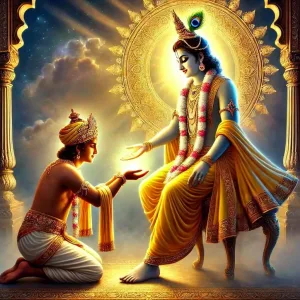
In Hinduism, the ideas of Divine Justice and Karma are central to understanding life, suffering, happiness, and rebirth. These concepts help explain why things happen the way they do and how human actions shape the future. Hindu teachings say that nothing is random, everything is part of a bigger plan based on justice and truth.
What is Karma?
In Sanskrit, Karma means action or deed. Hinduism teaches that every action whether it is physical, mental, or emotional, has a result. This result can be immediate, delayed, or even affect future rebirths.
Three Types of Karma in Hinduism.
- Sanchita Karma – All the accumulated karma from past lives.
- Prarabdha Karma – The part of past karma that is affecting our current life.
- Kriyamana Karma – The karma we create now, which will affect the future.
The Law of Karma is similar to the saying, “As you sow, so shall you reap.”
What is Divine Justice?
Divine Justice is not the same as human justice. It is universal, perfect, and based on dharma (righteousness). The divine power, often represented as Lord Vishnu, Lord Shiva, or Goddess Durga, ensures that justice is maintained in the universe. Hindu scriptures say that Ishvara (God) is the witness of all actions. He does not interfere directly but lets karma play out, ensuring fairness through cosmic laws. Divine Justice is slow but sure. Even if a person escapes human punishment, they cannot escape the effects of their karma.
Rebirth and Moksha
In Hinduism, the soul (Atman) is eternal. It goes through many lives in a cycle called Samsara. The soul takes birth again and again based on karma. But the goal of life is not endless rebirths. It is to achieve Moksha, a liberation from the cycle of life and death. This happens when a soul has cleared all karmas and realized its unity with Brahman (the Supreme Reality). Karma and Divine Justice guide the soul toward this final freedom.
Examples from Hindu Scriptures
- Ramayana – Lord Rama suffers and lives in exile for 14 years, though he is divine. This teaches that even the greatest souls go through difficulties due to karma and dharma. But truth and righteousness win in the end.
- Mahabharata – The Pandavas suffer many injustices, but they stay true to dharma. Lord Krishna supports them, and finally, justice is done. Duryodhana and the Kauravas, who act out of ego and greed, face downfall.
- Story of King Harishchandra – He loses everything to uphold truth but is eventually blessed by the gods. This shows that divine justice rewards good actions, even if it takes time.
Teachings from the Bhagavad Gita
The Bhagavad Gita, a key Hindu scripture, teaches that,
- One should perform their duties (karma) without attachment to the results.
- God (Krishna) supports righteousness and destroys evil when needed.
- True justice comes from surrendering to dharma, not from revenge or selfish desire.
“Karmanye vadhikaraste ma phaleshu kadachana”
(You have the right to perform your actions, but not to the fruits of your actions.)
Why Does This Matter Today?
In modern times, when people often question fairness in the world, Hinduism reminds us that,
- Every action has consequences, even if unseen.
- Goodness and truth will always be rewarded, even if late.
- We must focus on doing our duty with sincerity and faith.
Believing in Karma and Divine Justice brings peace of mind, patience, and a sense of purpose. Through each life, we learn, grow, and move closer to the Divine. No action is wasted, and no wrong goes unnoticed. Everything balances in the end, according to the will of the Universe. With truth, kindness, and responsibility, trusting that Dharma and Karma will guide our soul to its highest goal , Moksha. Connect for more!

Leave A Comment